Austin’s Sickle Cell Services Contract Raises Compliance and Conflict-of-Interest Concerns
A City employee used his Austin email to conduct business for the nonprofit he chaired. He later served on the staff team reviewing a pool of contracts that included the nonprofit. Austin should investigate.
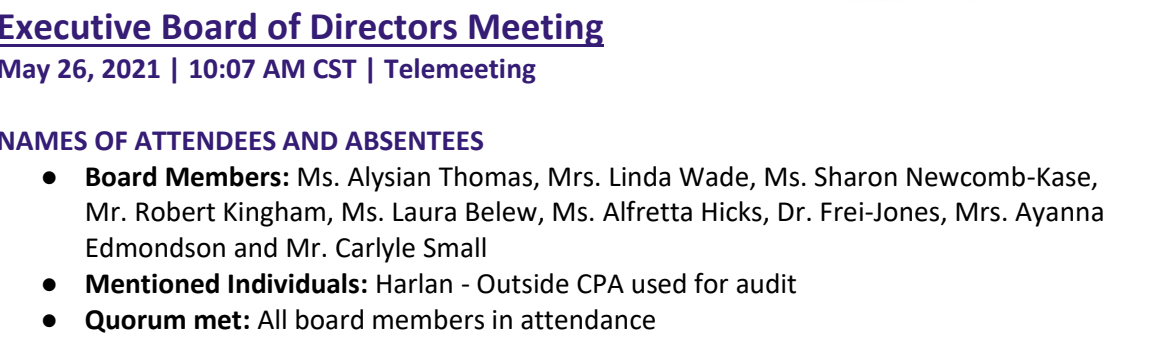
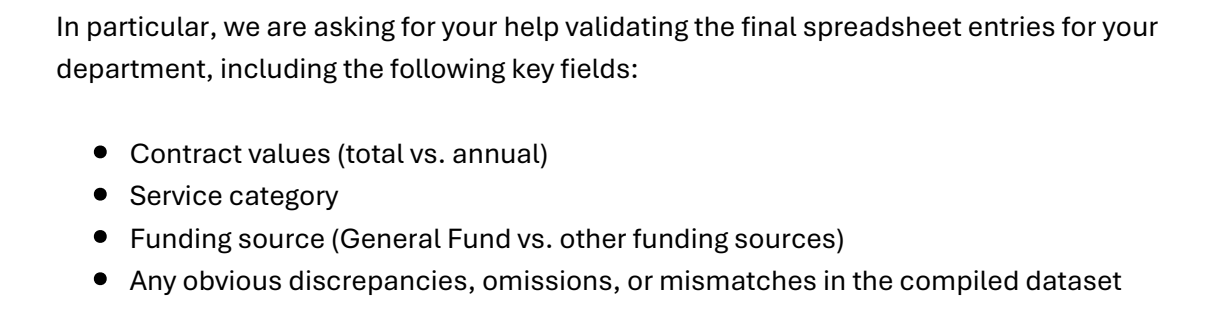
At 12:05 p.m. on Friday, September 20, 2024, Robert Kingham sent a board agenda from his City of Austin email account. By then, the Sickle Cell Texas Marc Thomas Foundation’s noon meeting was underway. Its minutes say Kingham called it to order, questioned the auditor, and later adjourned it at about 12:45 p.m. City email release X026937, p. 202 · Austin Public Health release X026937, p. 1209.

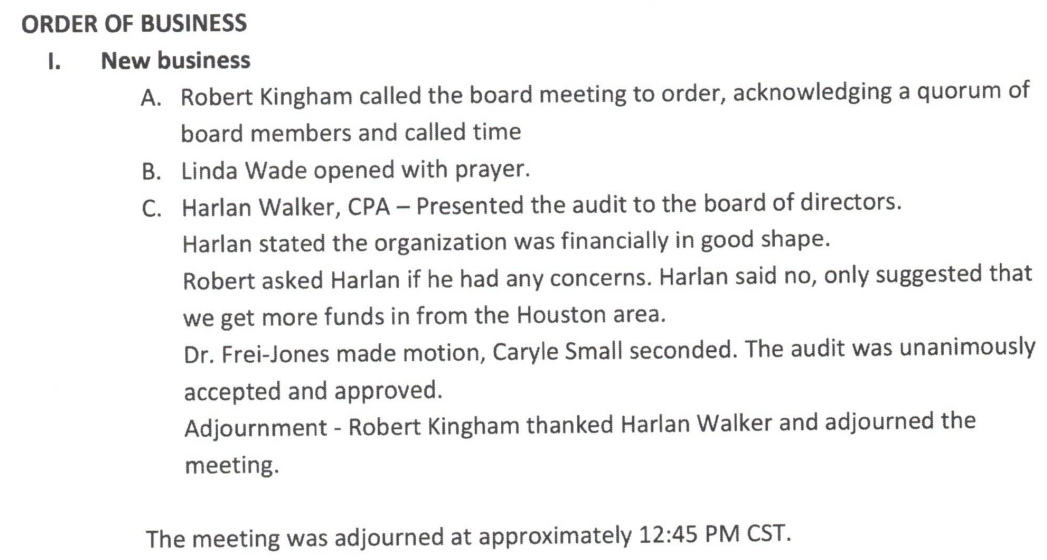
The records show a pattern. The minutes put Kingham at 12 weekday board meetings, with meeting windows from as early as 10:07 a.m. to as late as 1:45 p.m. On Wednesday, May 26, 2021, the board met from 10:07 a.m. to 1:16 p.m. Kingham discussed grant funding and staff pay and offered to draft a compensation policy. That meeting began nearly two hours before noon. His 2018 City offer letter listed a regular schedule of 8 a.m.–5 p.m., Monday–Friday. The minutes establish his participation and the overall meeting windows. Determining how much of that work fell on paid City time requires his actual schedule, leave, and attendance records. APH release X026937, pp. 1174–1215 · October 2, 2018 City offer letter.


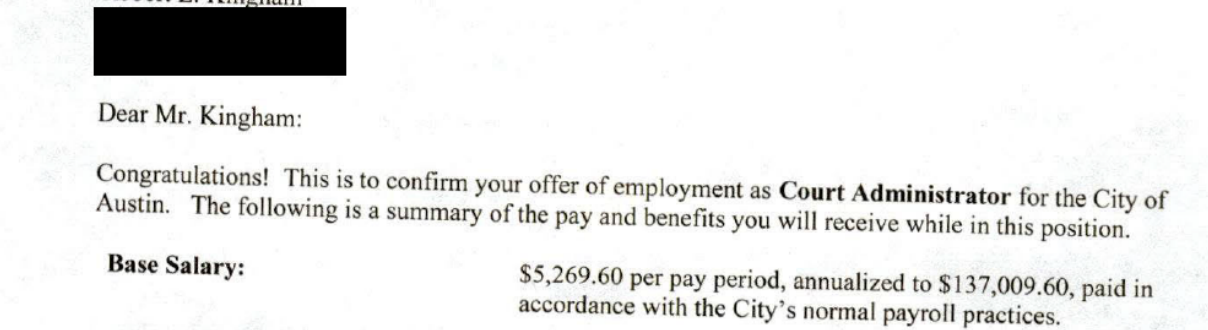
Kingham knew the contract from his earlier work in Austin’s Health and Human Services Department, where the City listed him as one of its contacts on the 2015 contract. He moved to Municipal Court in 2017 and was attending the foundation’s board meetings by 2019. Austin’s 2023 offer letter lists $137,009.60 as his starting City salary for the Community Court Administrator job. That was nearly twice the $69,150 average annual wage across all Austin-area occupations that year. The foundation’s 2024 Form 990 separately lists him as board chair with $0 in reported compensation. City personnel release X026937, pp. 3 and 6 · APH release, pp. 1174–1176 · foundation’s 2024 Form 990, Part VII. 2015 Council recommendation · Bureau of Labor Statistics, May 2023.




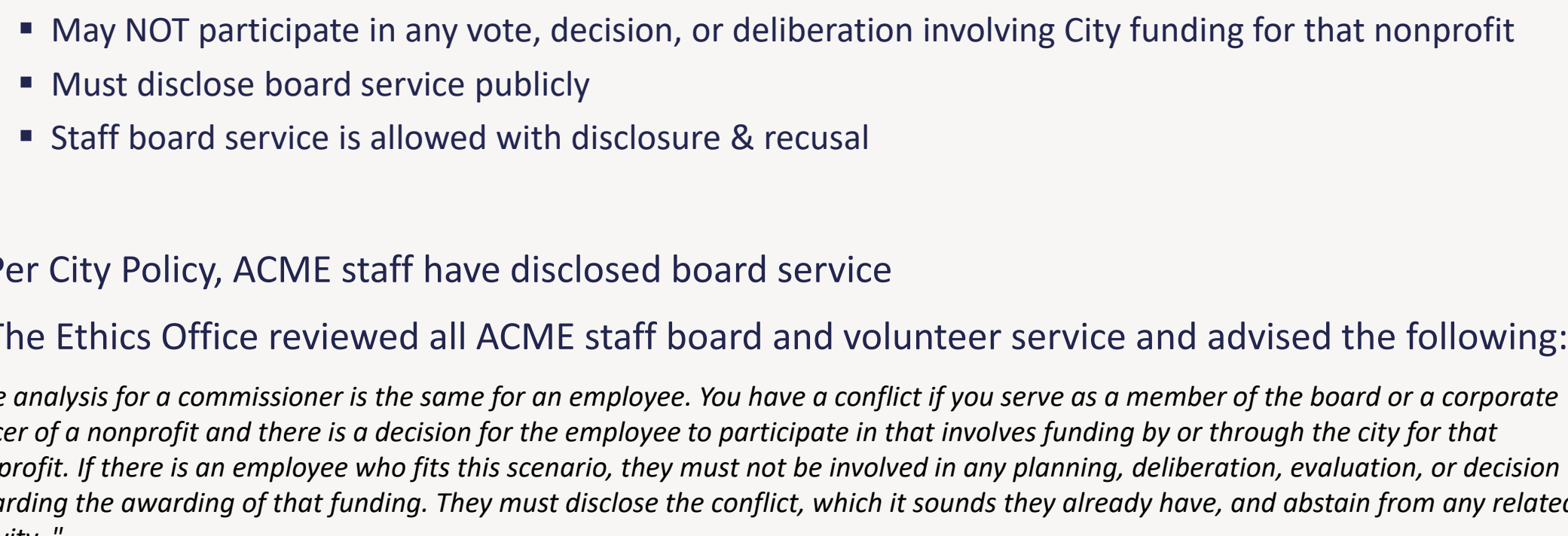
The City Manager and City Auditor should investigate Kingham’s use of City resources, his duty status on the dates in the minutes, and his role in the contract review. Austin should make the findings public. Austin rules on City resources · City ethics guidance, pp. 23–24.

What Kingham did at the meetings
The City produced the September 20 board agenda and board financial reports in response to a request that covered local computer files. The production identifies the documents but gives no original device path for the individual files. The board minutes came through a separate Austin Public Health release. Kingham’s sent agenda is the direct evidence that he used the City email system for board work. C341468 attachment release · City email release X026937, pp. 198 and 202.


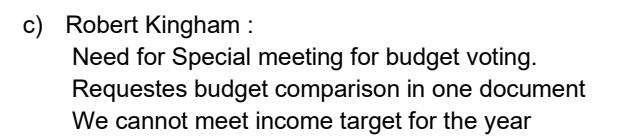
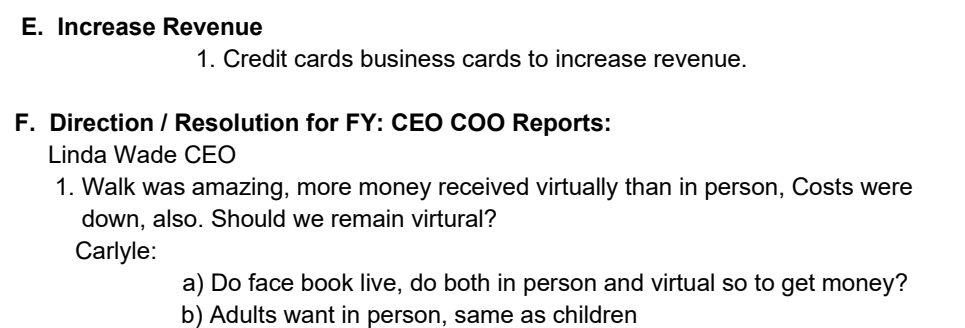
All 12 sets of weekday minutes record financial business, including budgets, grants, audits, or fundraising. In December 2020, Kingham seconded the annual budget motion and pointed out a City request for proposals for COVID testing. In October 2021, he called for a special budget meeting, asked for a budget comparison, and said the foundation couldn’t meet its income target. At the same meeting, the board discussed how to bring in more money from its fundraising walk. In September 2024, the auditor recommended bringing in more money from Houston. APH release X026937, pp. 1184–1185, 1193–1196 and 1209.

Weekday board meetings Kingham attended
| Date | Recorded meeting window | Duration | APH PDF pages |
|---|---|---|---|
| Tue, June 16, 2020 | 10:07 a.m.–11:12 a.m. | 1h 05m | 1178–1180 |
| Thu, September 24, 2020 | 12:06 p.m.–1:10 p.m. | 1h 04m | 1181–1183 |
| Tue, December 22, 2020 | 11:09 a.m.*–12:31 p.m. | 1h 22m* | 1184–1185 |
| Wed, May 26, 2021 | 10:07 a.m.–1:16 p.m. | 3h 09m | 1186–1189 |
| Thu, July 22, 2021 | 12:04 p.m.–1:09 p.m. | 1h 05m | 1190–1192 |
| Thu, October 28, 2021 | Noon–1:09 p.m. | 1h 09m | 1193–1196 |
| Thu, January 26, 2023 | 12:04 p.m.–12:41 p.m. | 37m | 1197–1199 |
| Thu, April 27, 2023 | 12:04 p.m.–1:08 p.m. | 1h 04m | 1200–1204 |
| Thu, July 27, 2023 | 12:02 p.m.–12:59 p.m. | 57m | 1205–1208 |
| Fri, September 20, 2024 | Noon–about 12:45 p.m. | About 45m | 1209 |
| Thu, October 24, 2024 | Noon–12:51 p.m. | 51m | 1210–1213 |
| Thu, February 27, 2025 | Noon–1:45 p.m. | 1h 45m | 1214–1215 |
Durations describe the whole meeting. The September and December 2020 minutes are marked draft. The December start is interpreted as a.m. from the 12:31 p.m. adjournment. APH release X026937, pp. 1174–1215.

From a $149,710 proposed cut to a 9–2 renewal
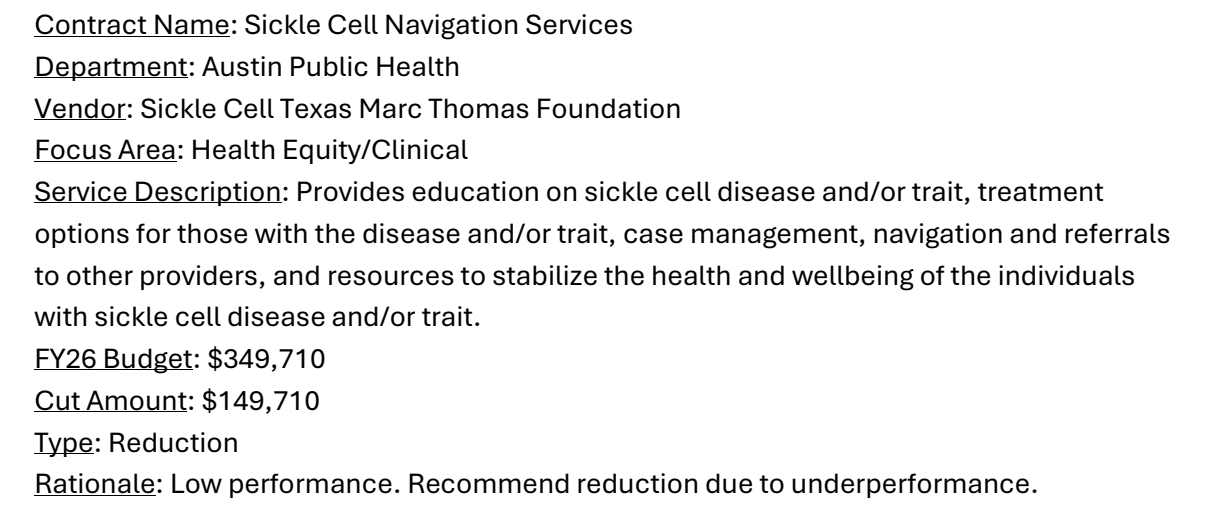
July 31, 2026. Austin Public Health recommended cutting the contract from $349,710 to $200,000 because of underperformance. In the memo sent by the City’s budget office, the department described the foundation’s one-on-one support as distinctive and assessed the impact of the proposed cut as manageable. The budget office had named Kingham and his Community Court colleague Laura Martinez to its review team in December 2025. In March 2026, the team received a workbook that included the foundation and was asked to check its own departments’ entries. City email release X026937, pp. 4 and 245 · C341468, March workbook, p. 8. July recommendation and rationale, pp. 4 and 96–97.


The City’s claim files show that staff had raised cost concerns years before the proposed cut. On five of 16 claim records from 2022 and 2023, reviewers questioned the cost. One called a cost per client of more than $1,000 “extremely high.” Two others noted that similar contracts or programs received 25–50% or one-third as much. In April 2023, a reviewer wrote that the contract was funded at “3-4X the rate” of contracts providing comparable services. In June, a reviewer wrote that the contract got “2-3X as much as other similar contracts with better outcomes.” The City paid all 16 claims. Read all five comments and explore the payment records · Published City claim excerpts.





August 3. Kingham forwarded the July memo to Martinez from his City account. The memo covered several providers, including the foundation he chaired. The budget office had already sent them both the earlier recommendation. His forward was a greeting and the memo. His role in scoring, setting criteria, or recommending where to keep or cut funding remains open. City email release X026937, pp. 34–35 and 38–43.

August 12. Council restored social-service contract funding across the portfolio for another year. It also directed the City Manager to evaluate the contracts affected by the proposed budget changes and recommend which to maintain, modify, or reduce. The review was supposed to document performance concerns and assess whether other providers could absorb the services. Adopted budget · Council resolution, p. 2.

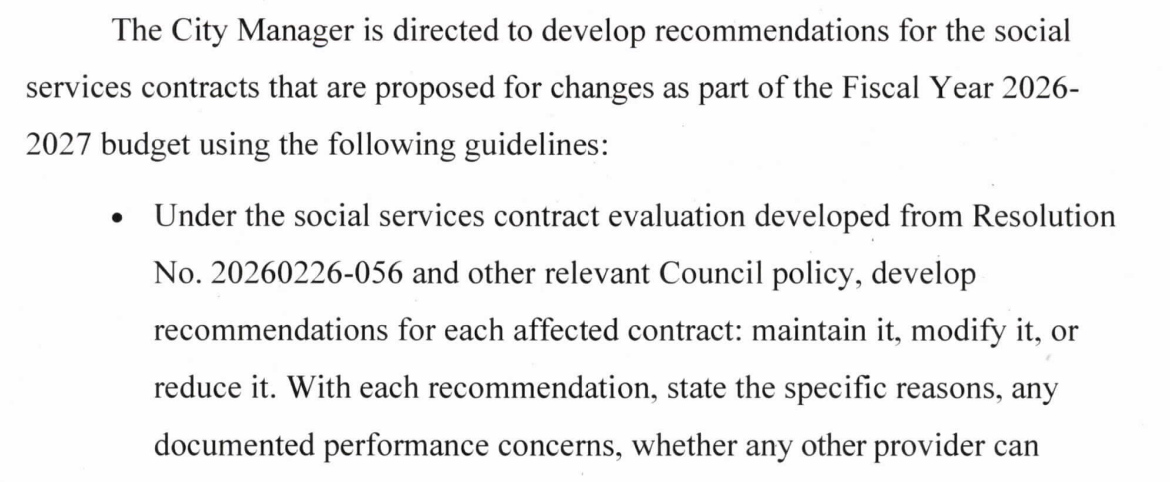
September 11–15. An internal note records staff agreeing on September 11 to expand monitoring to all transactions from October through July and remove a payment hold because the review would take too long. The compliance record was marked Compliant while its description still said the site-visit report was pending. Kingham received the automated status notice. It described the status change and the pending report. Who learned about the hold, what the expanded review found, and which claims cleared remain open questions. C341468, Item 4, pp. 1–2 · City email release X026937, p. 101.

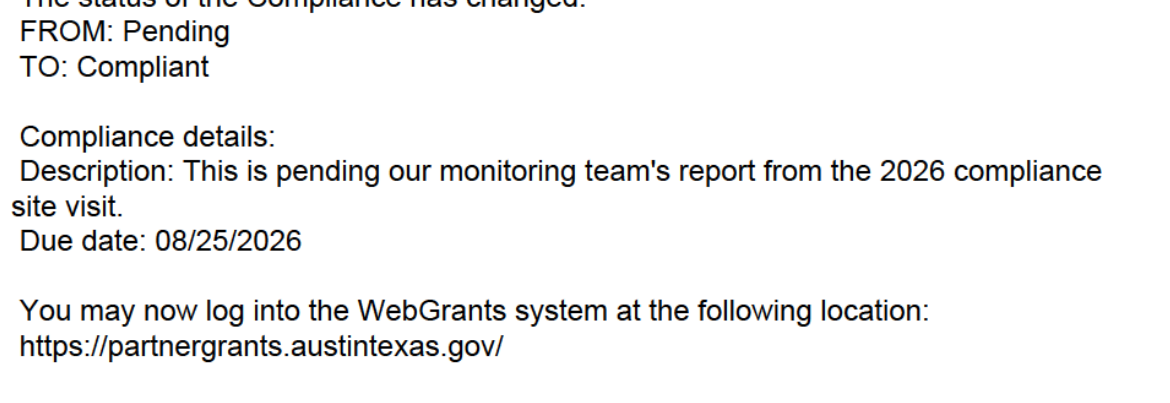
September 24. City staff reported evaluating 133 agreements. They recommended keeping 106, modifying 27, and reducing zero. Austin Public Health gave the foundation 2 out of 5 for performance and reported inflated performance figures, unallowable charges, services to ineligible clients, and repeated corrective actions. Staff anticipated repayment and recommended continuing the contract with tighter oversight. Council voted 9–2 on consent to authorize another year at up to $349,710. The $149,710 cut proposed in July was gone. September evaluation, pp. 2 and 219–221 · APH memo, p. 2 · Approved Council minutes, p. 13.
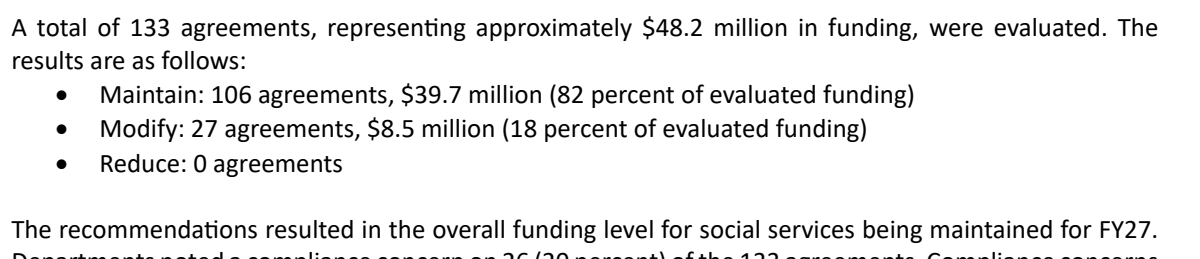


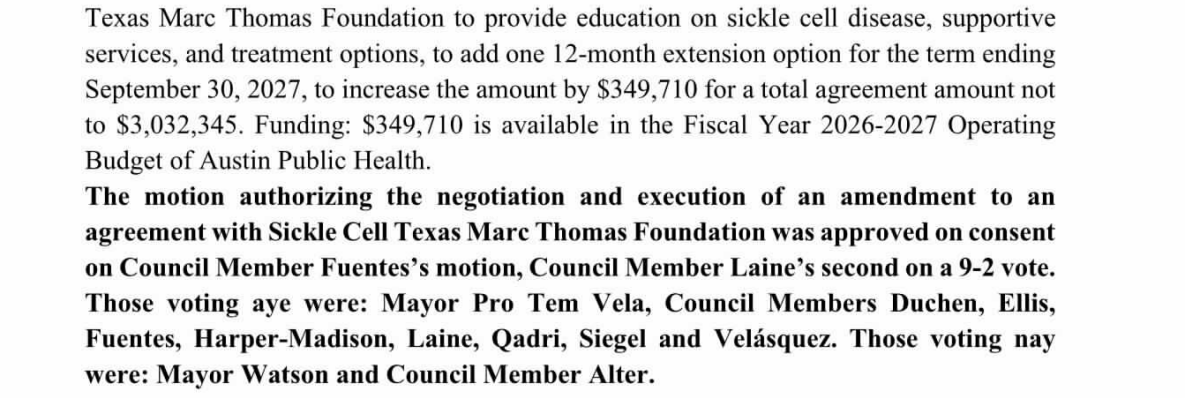
The Austin American-Statesman reported that APH’s memo reached Council and mayoral offices nine minutes after the vote. Some Council members received briefings beforehand. The written renewal materials I reviewed omit the September 11 agreement to drop the hold and widen the review. Council should ask what staff communicated before the vote and who authorized the decision. Council agenda, item 49 · Statesman coverage.


Kingham disclosed the board role on his annual City filings. Austin’s ethics guidance calls for disclosure and recusal from decisions involving City funding for a nonprofit whose board an employee serves on. A portfolio review creates a conflict to manage even when someone else fills out the foundation’s score sheet. Recommendations about which programs to prioritize or cut can affect other providers’ funding. Austin should identify what Kingham was assigned and how it handled any work that could affect the foundation. City financial disclosures X026937, pp. 9, 20, 32 and 44. City ethics guidance, pp. 23–24.

What families get for the money
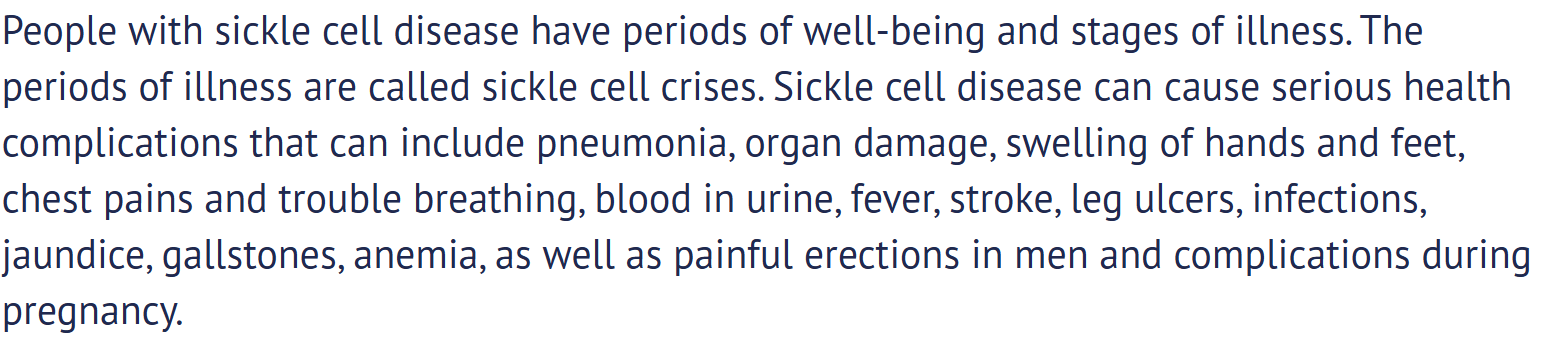
Sickle cell disease can bring severe pain and serious complications. A young adult leaving pediatric care needs an adult specialist they can actually see. If a family relies on someone who can get a referral unstuck or help during a crisis, the City should protect that support while it reviews the contract. Texas DSHS on sickle cell disease · Dell Children’s sickle cell program.

Austin’s public checkbook shows $5.51 million in City-disbursed payments to the foundation from October 2008 through the August 2026 payment captured in the October 26 data pull. Austin Public Health says the foundation fills a gap by combining services no single local provider appears to offer together. What I want to know is which families couldn’t get help through the existing services, what the foundation did, and what changed. Checkbook analysis and payment data · APH’s renewal rationale, p. 2.


Direct aid, travel, and rent
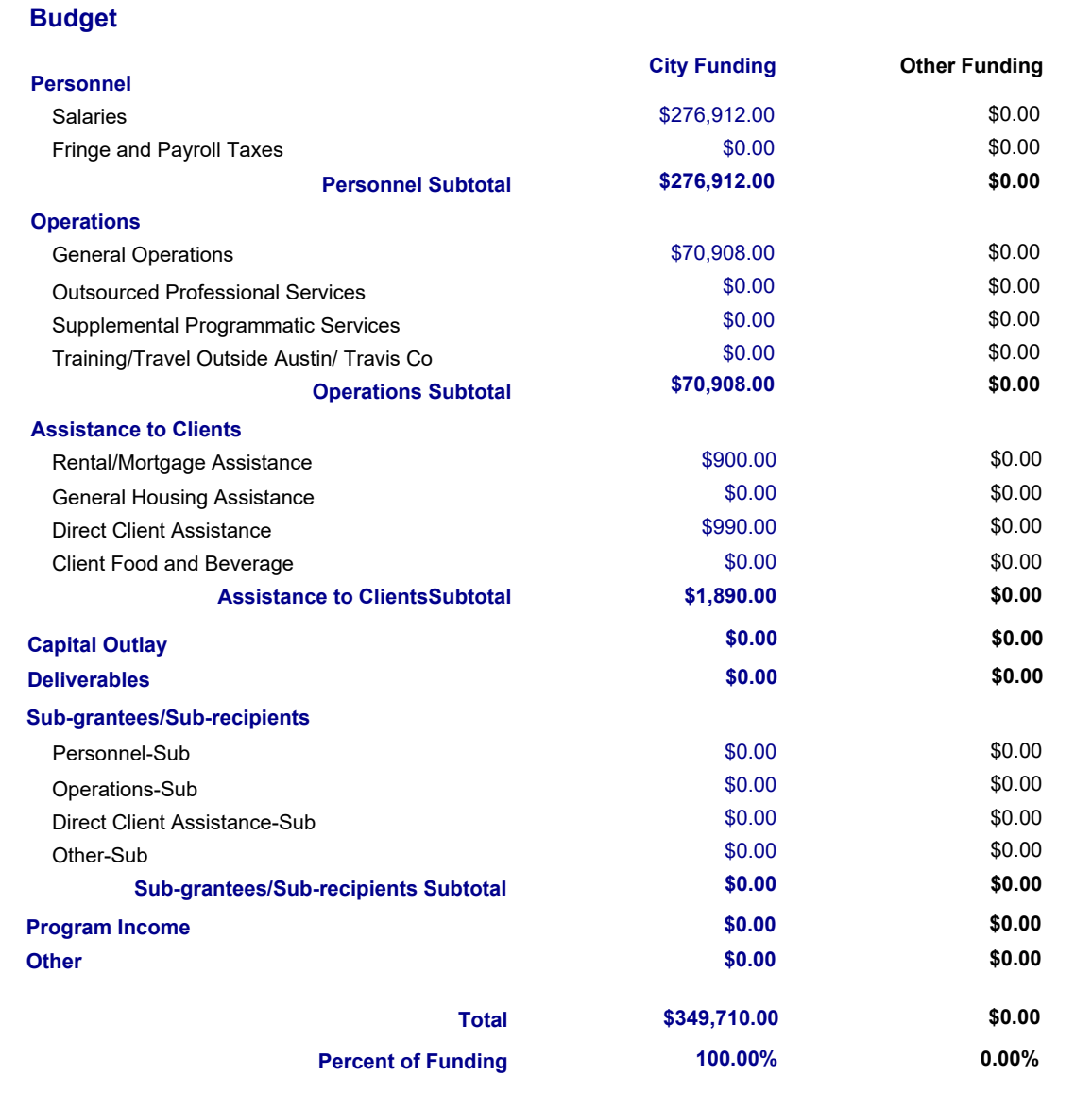
Austin’s FY2026 contract budget set aside $1,890 for direct help to clients, including $900 for rent or mortgage assistance and $990 for other direct assistance. That is 0.54% of the $349,710 budget. It budgeted $276,912 for personnel and $70,908 for operations. The separate line for training or travel outside Austin and Travis County was $0. The operations narrative lists rent, mileage, and costs for meetings and conferences within Travis County, without separate amounts for those expenses. APH release X026937, pp. 452–453. City contract exhibits.

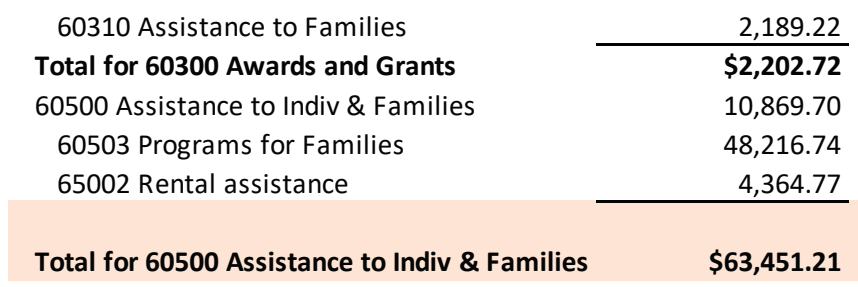
The foundation’s calendar 2025 books cover the entire organization. They show $300,609.90 in City contract revenue, about 40.4% of the $744,951.40 in operating revenue. The statement lists $9,656.02 for events and conferences, including transportation, and $10,135.41 in a separate category for meetings, conferences, travel and employee mileage. The two categories total $19,791.43. The Houston office lease cost $15,421.41, the San Antonio office $3,667.80, and the Austin office $35,078.33. Categories labeled assistance or programs for families totaled $66,640.43 organization-wide, including $48,216.74 under “Programs for Families.” The statement gives organization-wide figures without assigning those expenses to particular funders or showing how much family aid went to each city. Foundation board profit-and-loss statement, CY2025 actuals, pp. 1–3, City release C341468.






So the questions for Austin are specific. Did any City reimbursement pay for the Houston lease, travel outside the area, or conferences? How much direct aid went to Austin-area families? The City’s itemized claims and the foundation’s ledger by location and funder would answer that.
Where can the foundation add something?
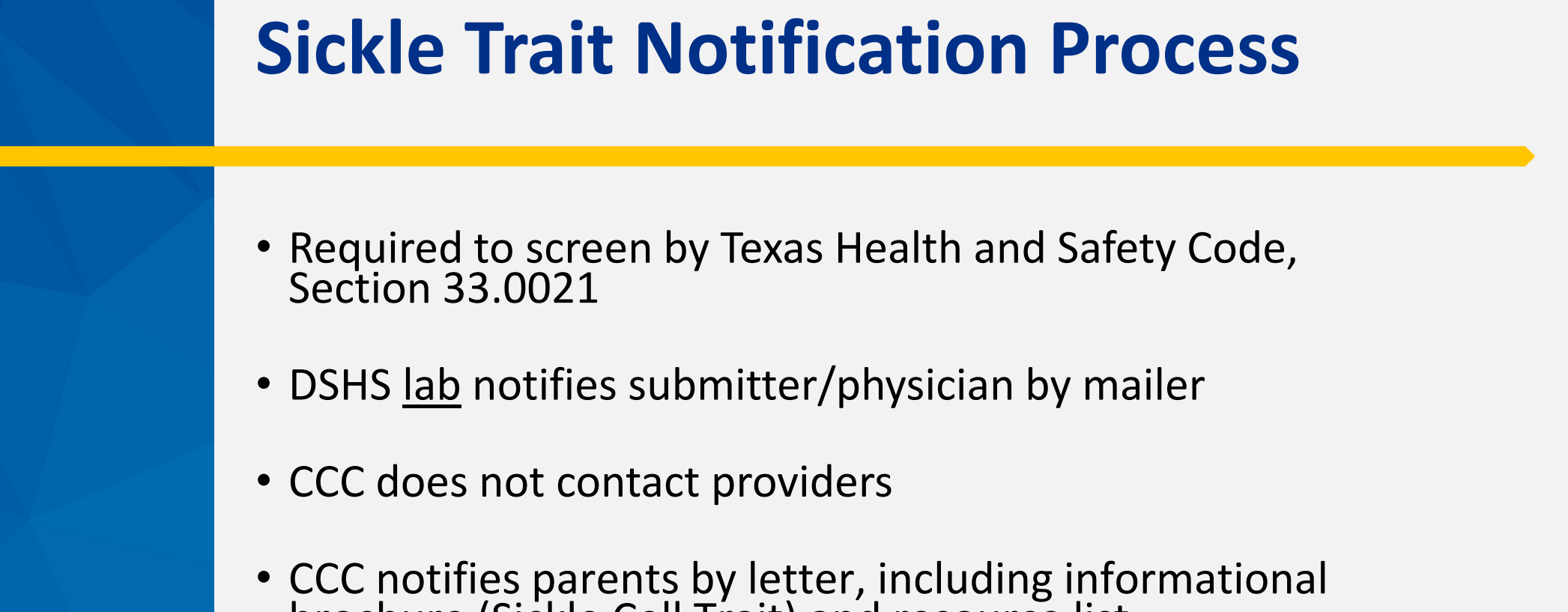
Texas already screens newborns, contacts providers about significant disease findings, and mails families information when the screen identifies trait. Dell Children’s offers pediatric hematology, social work, and a transition program. A family can still need help getting through those systems. The map shows the protections already in place, what the City pays the foundation to do, and what would show that its help made a difference. Texas DSHS screening and notification · Dell Children’s program.
Open the interactive map in its own tab
In FY2026 Austin set targets of 241 people reached, 77 provided navigation or case management, and six fairs or seminars. The reach count can include someone who gets a handout at a health fair, if staff collect their demographics. It also includes eligible support-group participants, including prayer calls. The City reports these contacts together. That count is a poor measure of what someone learned or whether a referral led to care. APH release X026937, pp. 450–451. City contract exhibits.
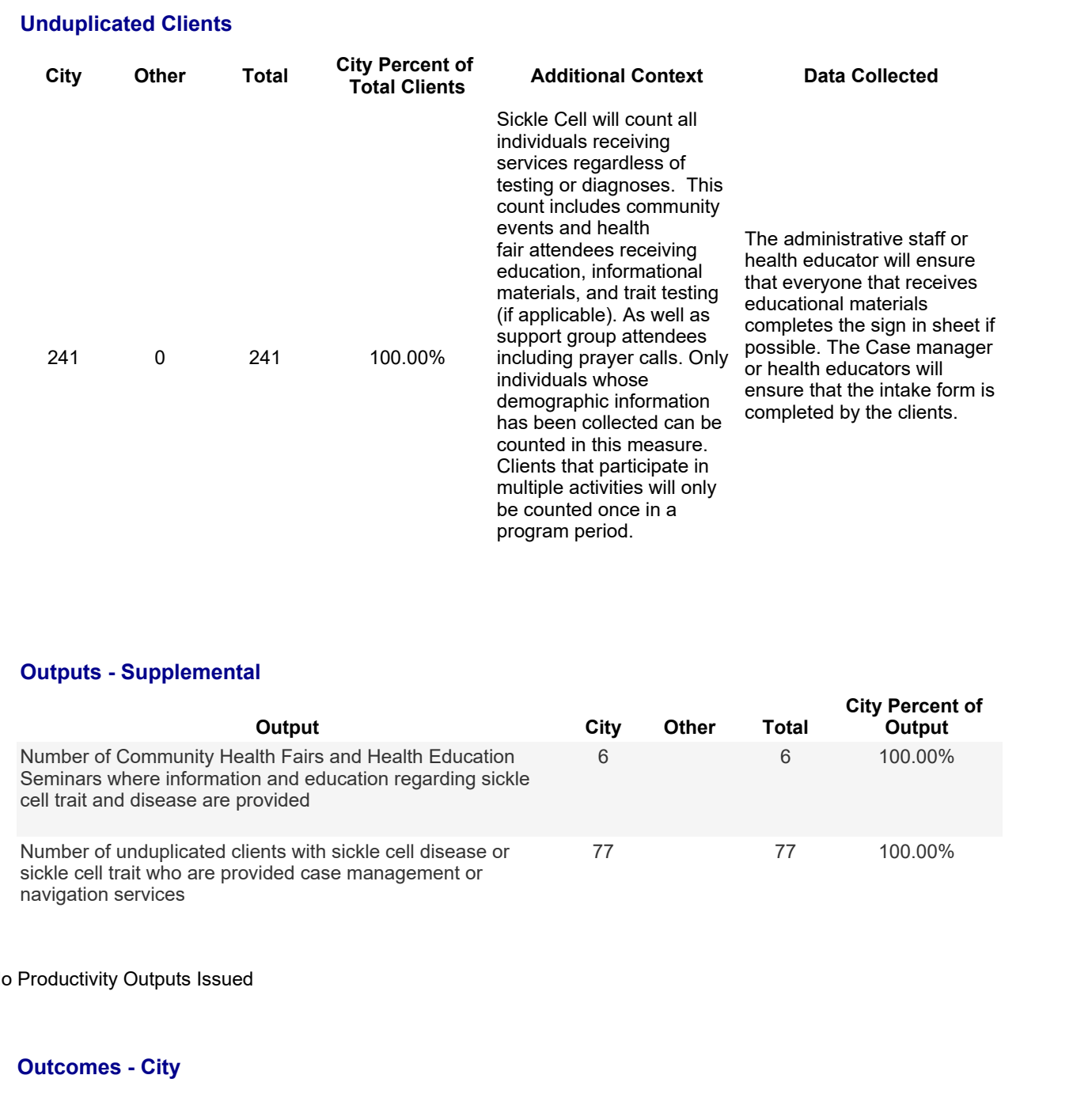
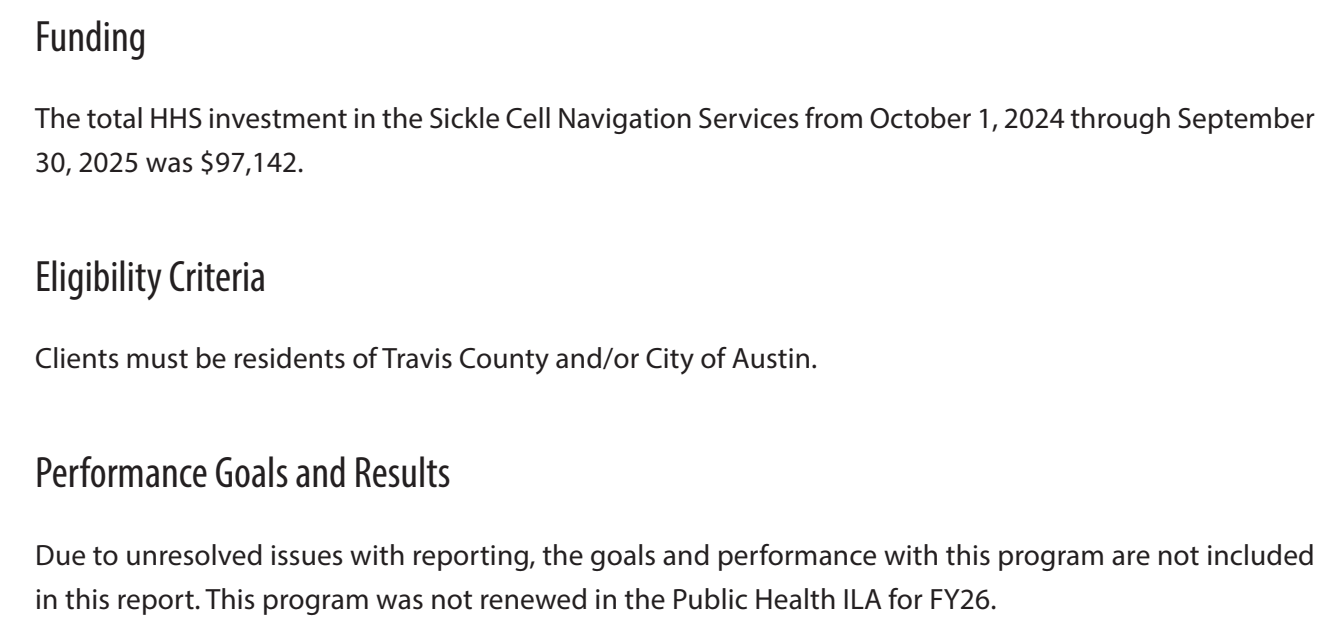
Through June 2024, 27 of 63 clients were reported to have improved on the City’s broad functioning measure, 42.86% against a 71.79% goal. The July 2026 table lists 318 reached, 117 navigated or case-managed, 21 fairs or seminars, and 53.49% achieving healthy outcomes. The reporting period and outcome denominator are unspecified. Travis County contributed $97,142 through Austin Public Health for FY2025 and omitted the results from its report because of unresolved reporting issues. The FY2026 County interlocal agreement did not renew the program. City budget response, p. 22 · July 2026 table, p. 4 · Travis County FY2025 report, p. 180.


What would show that navigation works?
A referral should lead to something we can verify. Did the patient get a first visit with an adult hematologist? Did the person who had a trait test receive the result and understand the next step? If the program paid for a ride, did the person make it to the appointment? That’s the theory of change I’d want Austin to test. Follow the person far enough to see whether the problem was solved.
The COMETS randomized trial gives one example of what can be measured. Adding a community health worker to enhanced usual care during the move to adult sickle cell care improved quality-of-life scores by an estimated 5.25 points at six months, below the study’s 10-point threshold for a clinically meaningful difference. Austin can at least track the steps its contractor is paid to help people complete. COMETS randomized trial.

Open the interactive theory of change in its own tab
What North Carolina asks providers to deliver
North Carolina’s 2024 solicitation estimated $301,293 a year to reach 1,565 people in Mecklenburg County, which includes Charlotte. That includes 918 people with sickle cell disease and 647 with trait. Austin’s $349,710 ÷ 241 comes to $1,451 per person in its planned reach. Mecklenburg’s $301,293 ÷ 1,565 comes to $193 per projected person. That’s a 7.5-to-1 difference in the budget-to-reach ratios. This compares planning figures from two programs whose counting rules and service models differ. Austin work statement and targets · North Carolina RFA A416, p. 5.

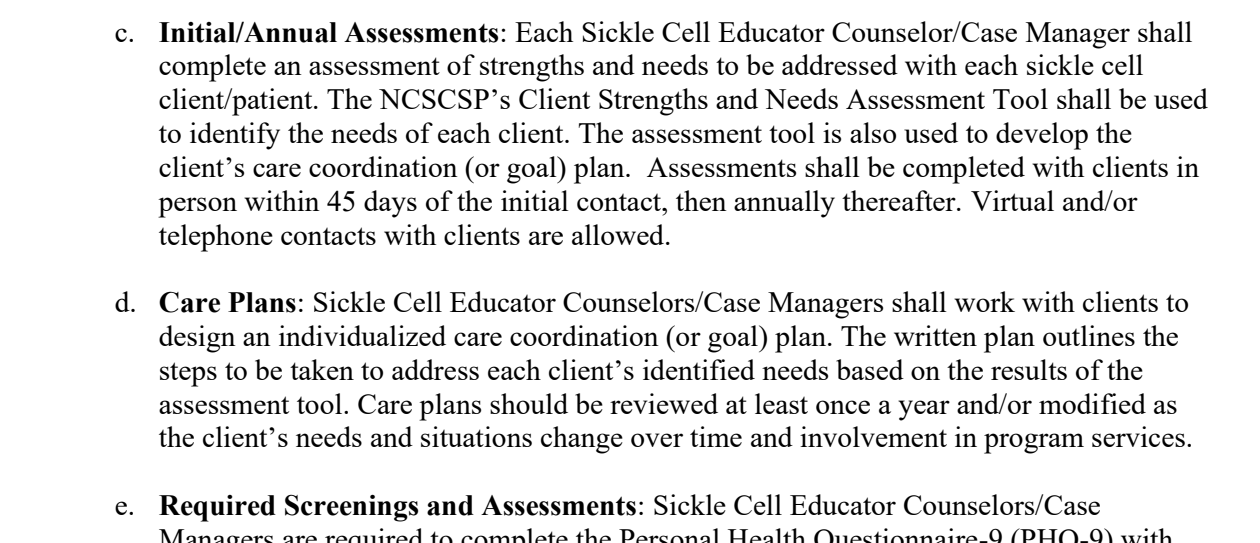
North Carolina spells out what care coordination means. The solicitation requires needs assessments within 45 days of first contact, individualized care plans, depression screening for clients with sickle cell disease who are 11 or older, minimum staffing, and client records entered within seven days of contact. Austin can ask bidders to price individual services and say exactly what they’ll deliver. North Carolina RFA A416, pp. 9–14.
Open the interactive Austin–Charlotte comparison in its own tab
What Austin should do now
Investigate the overlap between Kingham’s City work and his board role. Finish the monitoring review, disclose what the City found and whether it recovered any money, and explain what Council was told before the vote.
Ask families where they rely on the service and where other providers fall short. Then compete the work Austin can justify, with separate prices for distinct services and reporting that follows referrals through to care. Keep current services available while the City makes those decisions.
The people who rely on this program deserve to know who will help them when an appointment falls through or a benefit is denied. Austin should be able to say who will do that work, what the City will pay for it, and how it will know the person got help.